

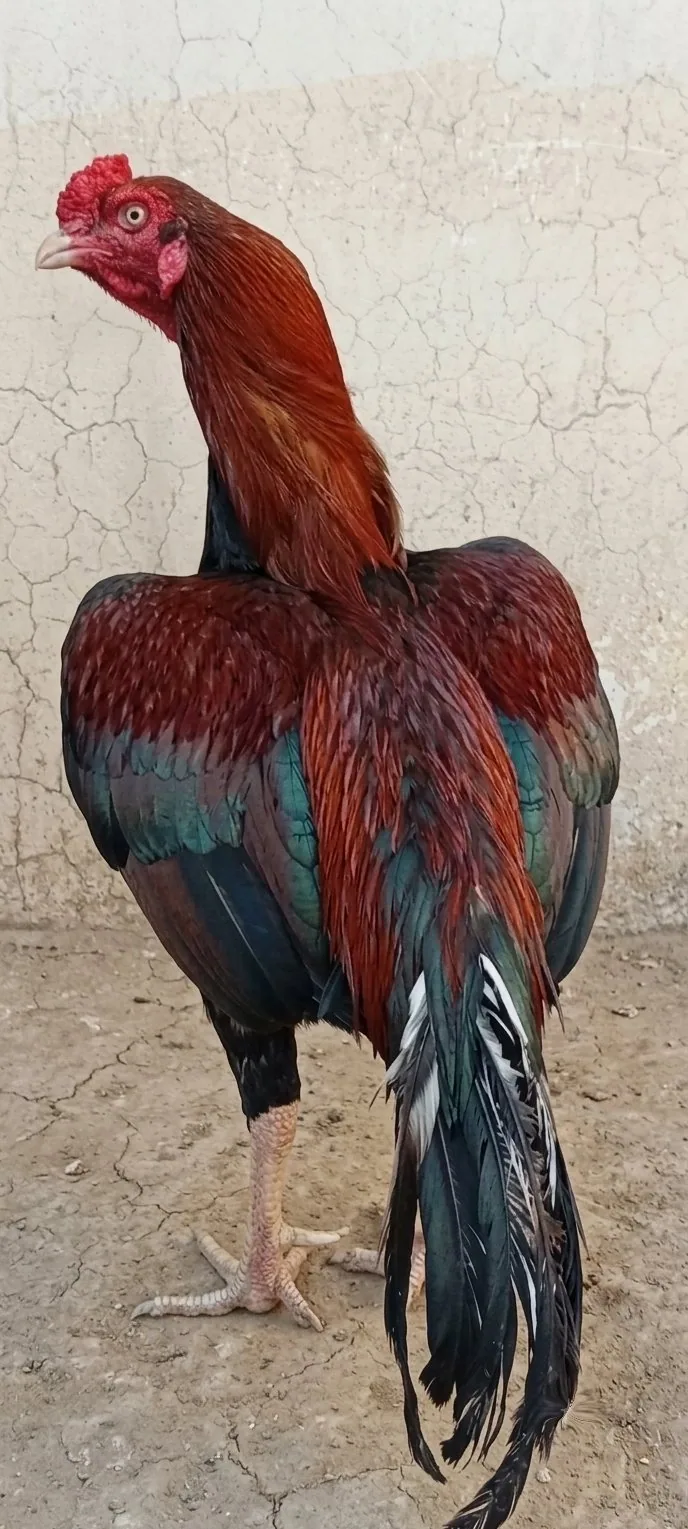
 ▣ 4
▣ 4Rs 16,000Mianwali Aseel
Mianwali Aseel is a prominent Pakistani regional type associated with Mianwali and adjoining Punjab. Keepers value an alert carriage, athletic frame and adaptation to hot local conditions, but appearance varies between families.
Listings are posted by independent Maalzo sellers.
▣ 4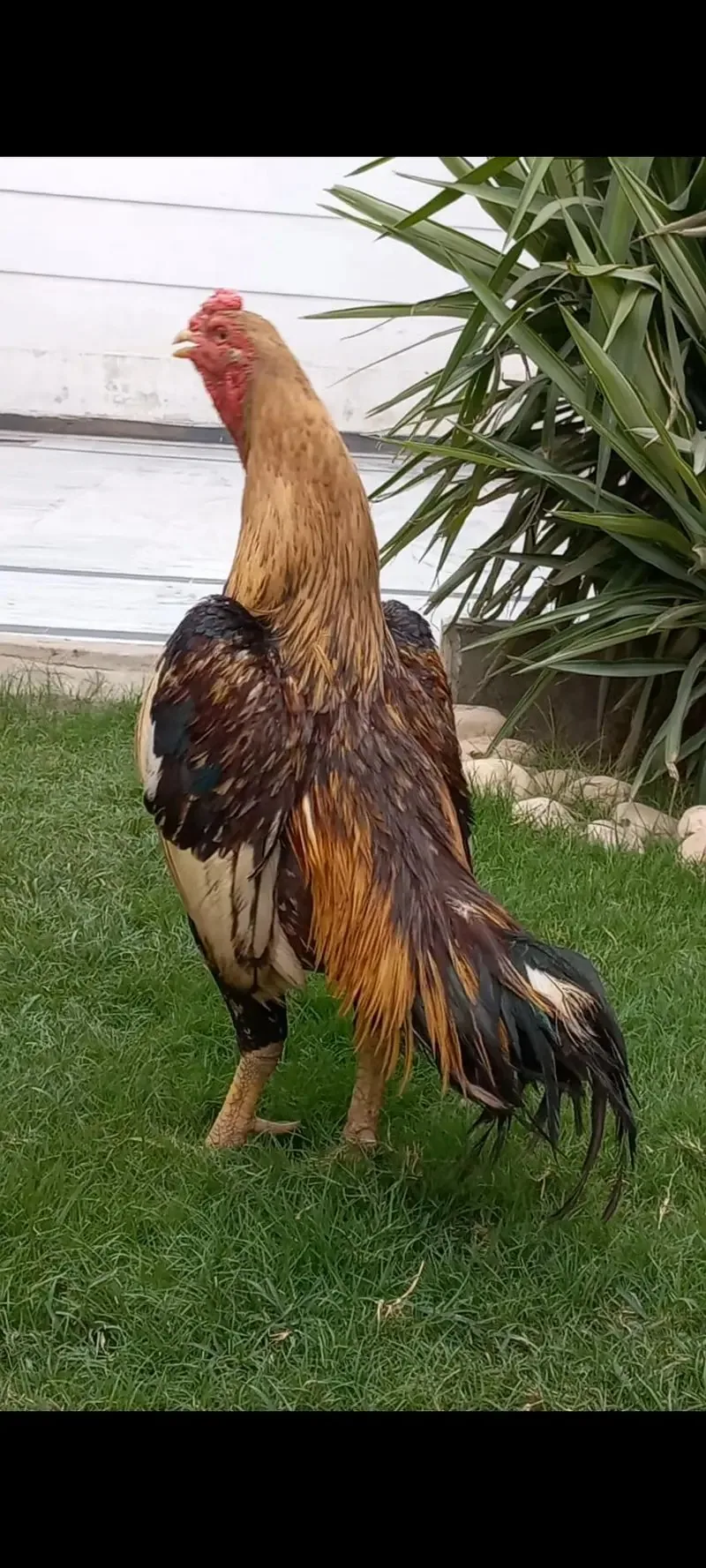 ▣ 4
▣ 4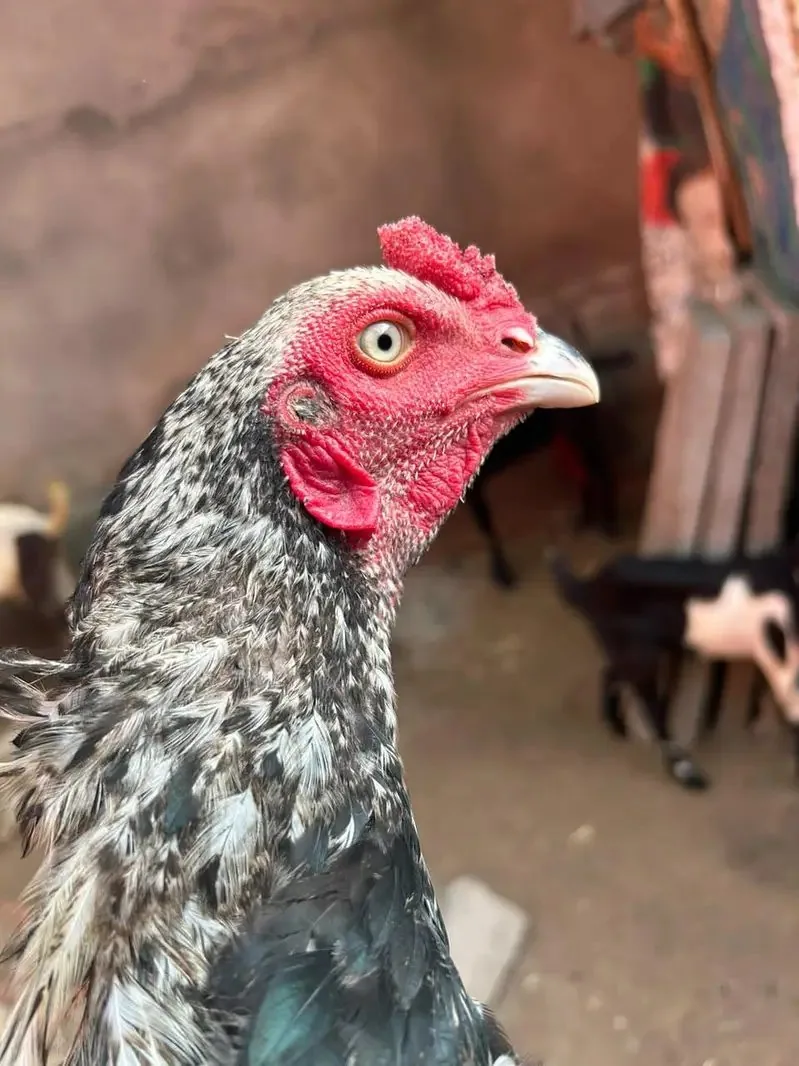 ▣ 4
▣ 4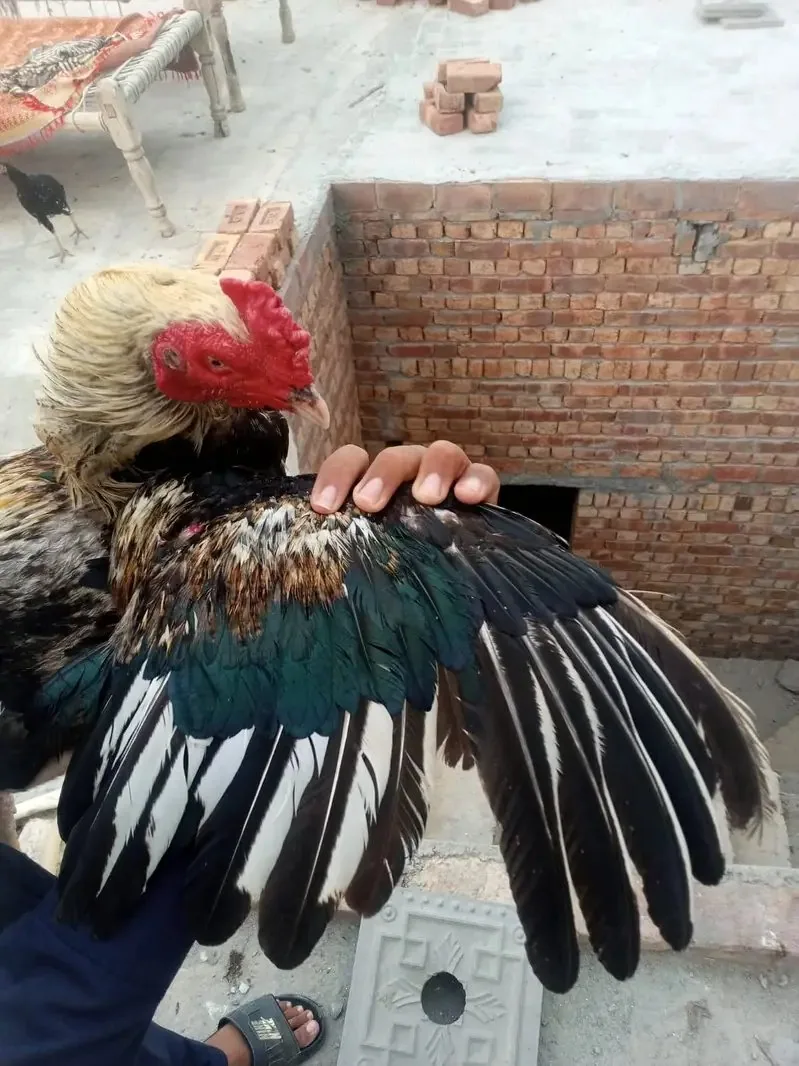 ▣ 4
▣ 4The name is geographical: it links birds and breeding families to the Mianwali region rather than to one closed modern pedigree book. Generations of local selection produced different family lines, so buyers should ask for parentage instead of expecting every Mianwali bird to look identical.
Evidence note: Regional and colour-line names are not always maintained through closed pedigree books. Maalzo avoids claiming purity from appearance alone.
Look for a balanced, active bird with firm body condition, clean eyes, sound legs and tight feathering. Colour alone does not prove Mianwali lineage. Compare the whole bird, its parents and the breeder record.
Aseel varieties can face the same infectious, parasitic and management-related problems as other chickens. Newcastle disease, coccidiosis, fowl pox and bacterial disease are important concerns in small flocks; respiratory signs can have several causes and cannot be diagnosed from a listing photo.
Reduce risk with clean water, dry feed, ventilation, pest control, vaccination planned with a local veterinarian and separation of new or sick birds. Quarantine duration and treatment should be based on veterinary advice and local disease conditions.
Urgent warning signs include difficult breathing, repeated collapse, neurological signs, severe diarrhoea, inability to drink, major injury or multiple birds becoming sick. Isolate safely and contact a qualified poultry veterinarian; do not copy antibiotics or vaccines from social-media comments.
Ask for parent-bird evidence, current video and the breeder history. No single colour, comb or body feature proves the line.
Only if the keeper can provide secure housing, separation and daily observation. Territorial birds can be difficult in mixed flocks.
It should be alert, warm, eating and drinking, with clean eyes, nostrils and vent. A veterinarian should assess persistent weakness or breathing trouble.
General Aseel history and characteristics were checked against the FAO’s small-scale poultry resources, peer-reviewed breed-characterisation records indexed by FAO AGRIS, and The Livestock Conservancy. Local strain descriptions are presented cautiously where formal standards are limited.
Reviewed: September 2026. Health information is educational and does not replace a poultry veterinarian.Asaan access ke liye app install karein, ya browser mein website use karein.