

 ▣ 4
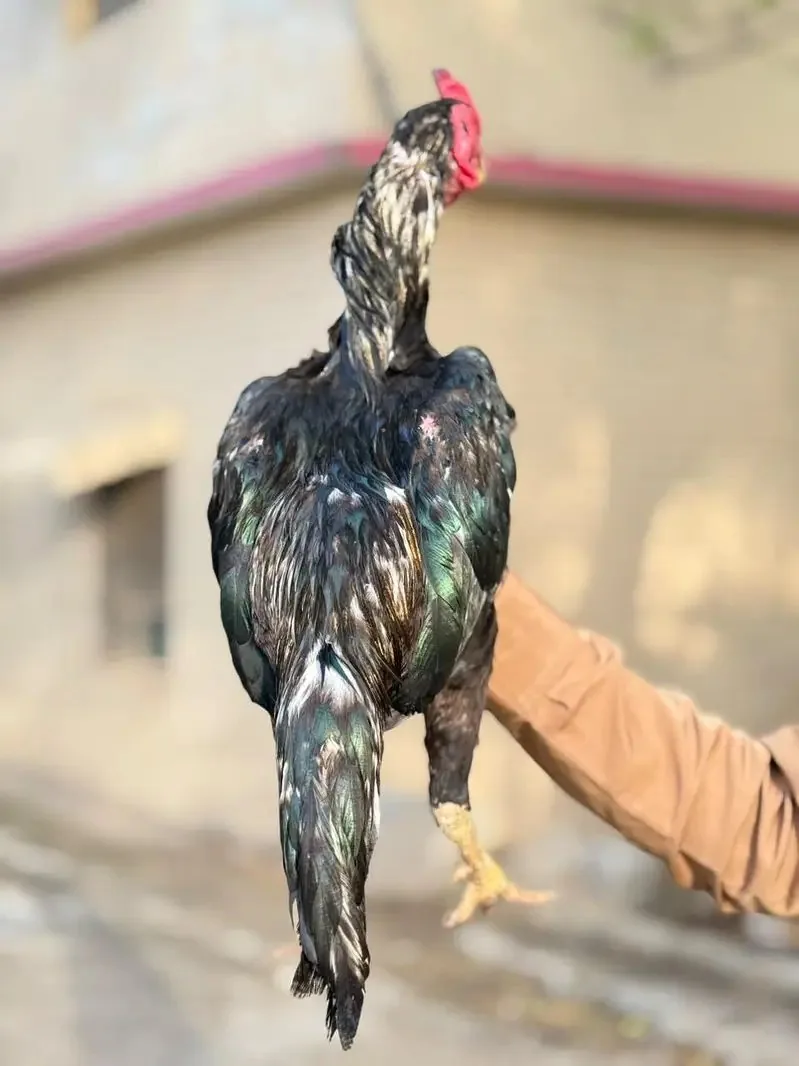
▣ 4Rs 10,000Mushka Aseel
Mushka Aseel is commonly used for dark or black-plumaged Aseel families. The visual appeal is clear, but responsible buyers separate colour preference from health and lineage.
Listings are posted by independent Maalzo sellers.
▣ 4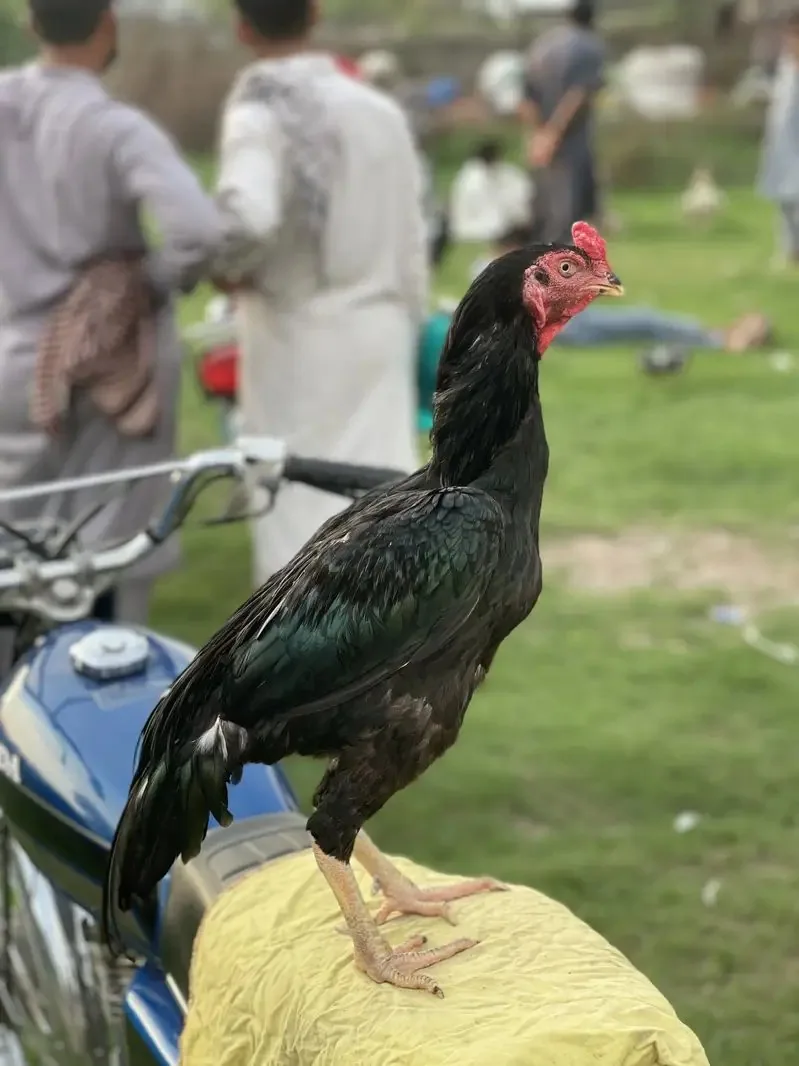 ▣ 4
▣ 4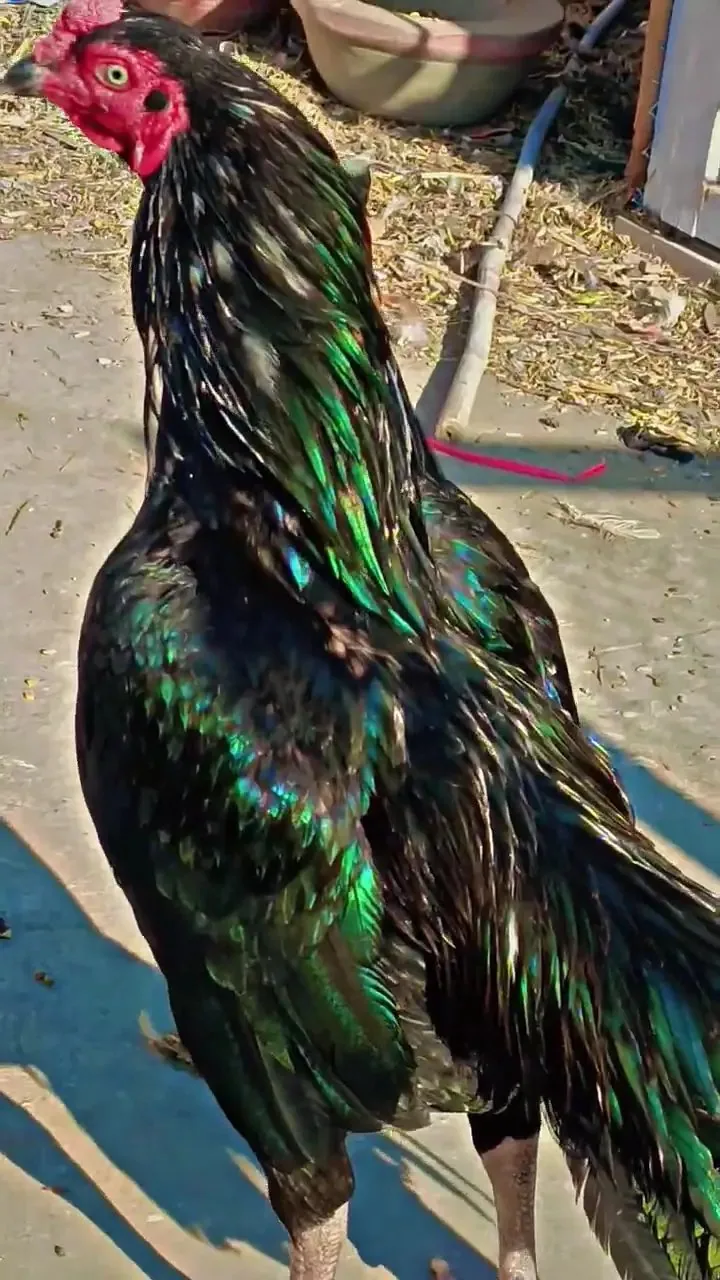 ▣ 4
▣ 4Mushka developed as a keeper term around dark-plumage selection within regional Aseel stocks. It is not a universal scientific sub-breed standard, and different families may show different build and feather shades.
Evidence note: Regional and colour-line names are not always maintained through closed pedigree books. Maalzo avoids claiming purity from appearance alone.
Inspect dark feathers in daylight for sheen, damage, parasites and hidden pale patches. Confirm the bird has clear eyes, clean nostrils, a stable gait and appropriate body condition.
Aseel varieties can face the same infectious, parasitic and management-related problems as other chickens. Newcastle disease, coccidiosis, fowl pox and bacterial disease are important concerns in small flocks; respiratory signs can have several causes and cannot be diagnosed from a listing photo.
Reduce risk with clean water, dry feed, ventilation, pest control, vaccination planned with a local veterinarian and separation of new or sick birds. Quarantine duration and treatment should be based on veterinary advice and local disease conditions.
Urgent warning signs include difficult breathing, repeated collapse, neurological signs, severe diarrhoea, inability to drink, major injury or multiple birds becoming sick. Isolate safely and contact a qualified poultry veterinarian; do not copy antibiotics or vaccines from social-media comments.
There is no colour-only purity test. Review ancestry, parents, breeder consistency and the whole phenotype.
Sun bleaching, moulting, nutrition, genetics or feather damage can affect colour. Persistent poor feather quality needs husbandry or veterinary review.
Locally adapted birds may tolerate heat, but every bird still needs shade, airflow and unlimited clean water.
General Aseel history and characteristics were checked against the FAO’s small-scale poultry resources, peer-reviewed breed-characterisation records indexed by FAO AGRIS, and The Livestock Conservancy. Local strain descriptions are presented cautiously where formal standards are limited.
Reviewed: September 2026. Health information is educational and does not replace a poultry veterinarian.Asaan access ke liye app install karein, ya browser mein website use karein.